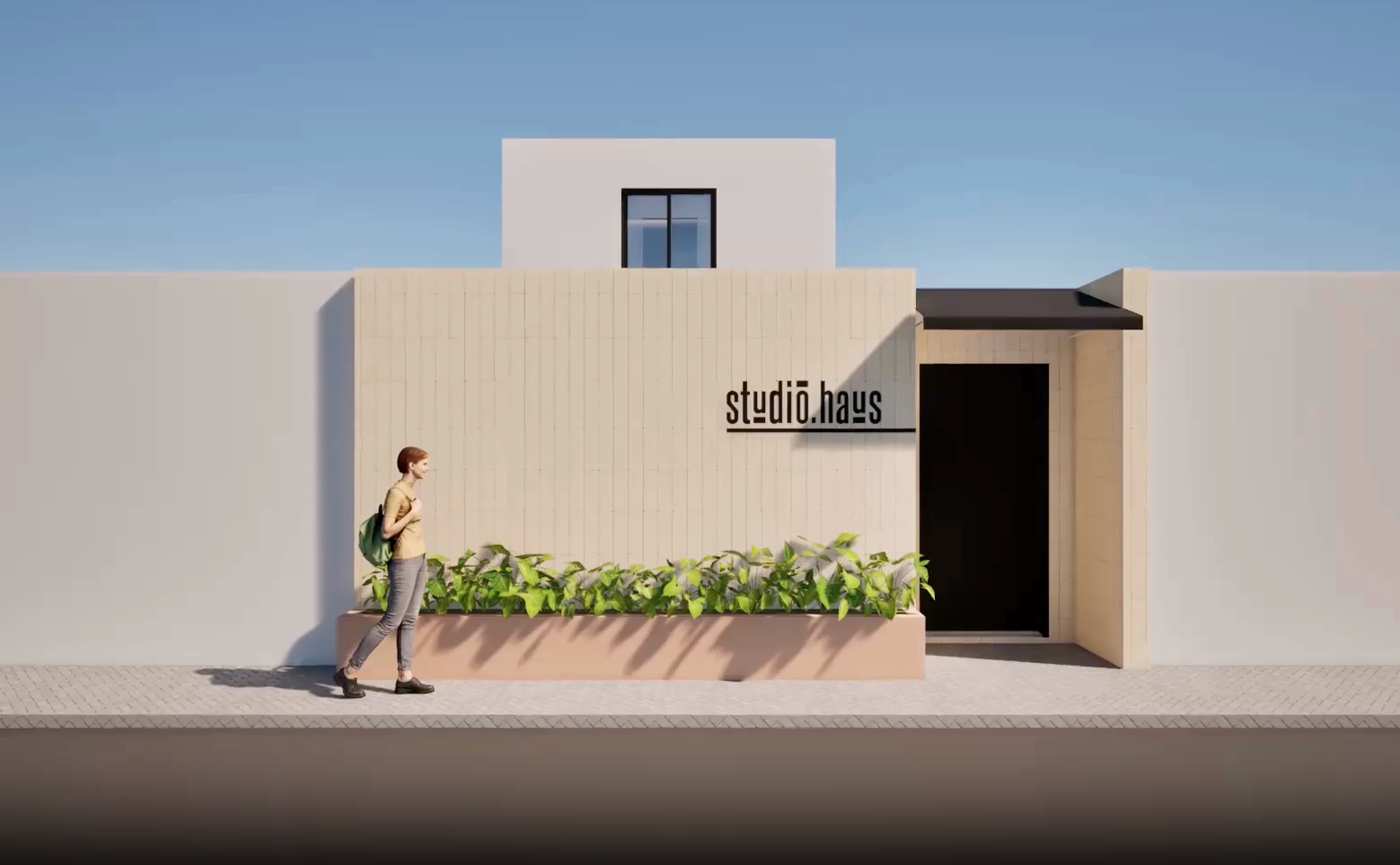
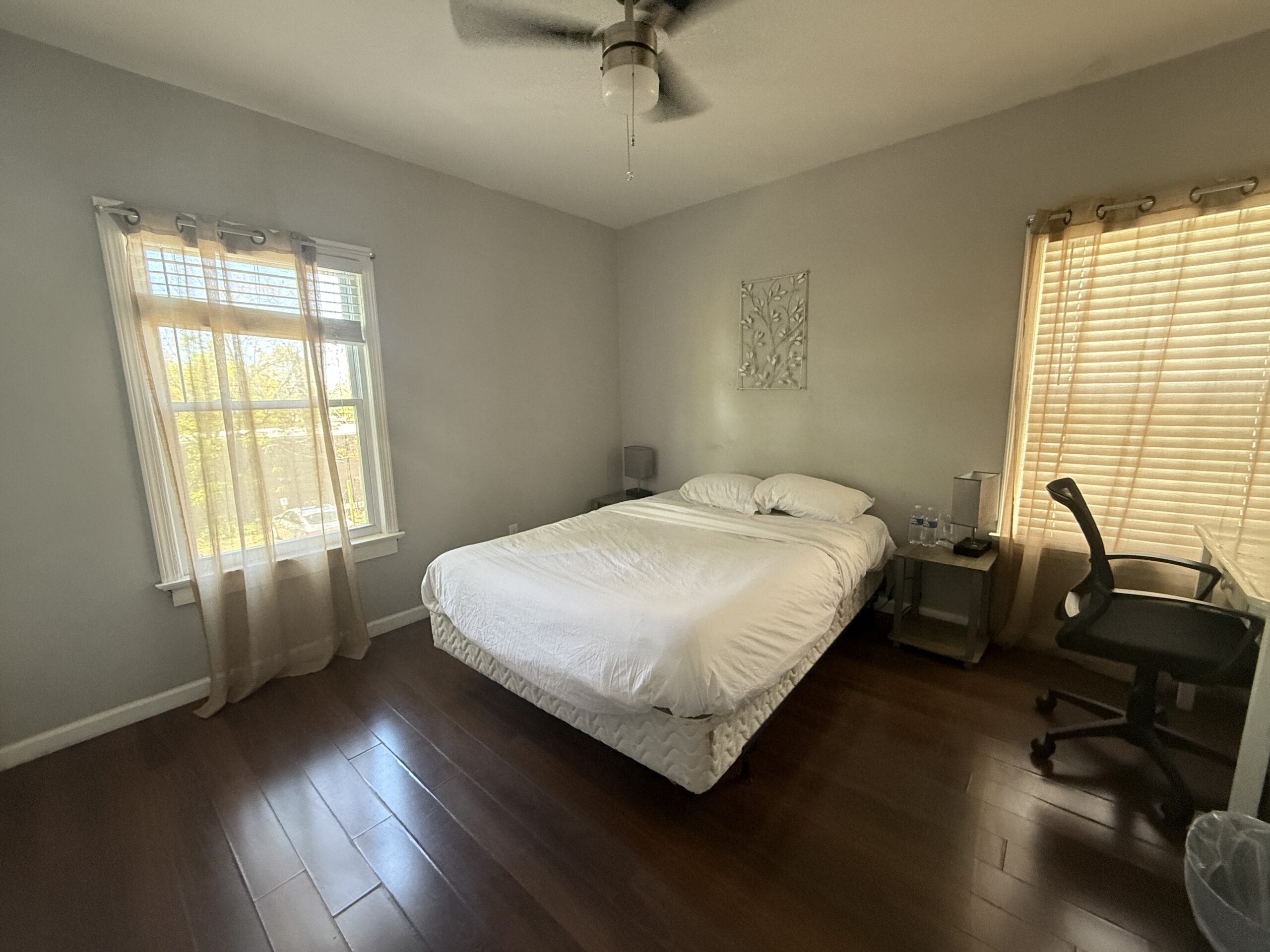
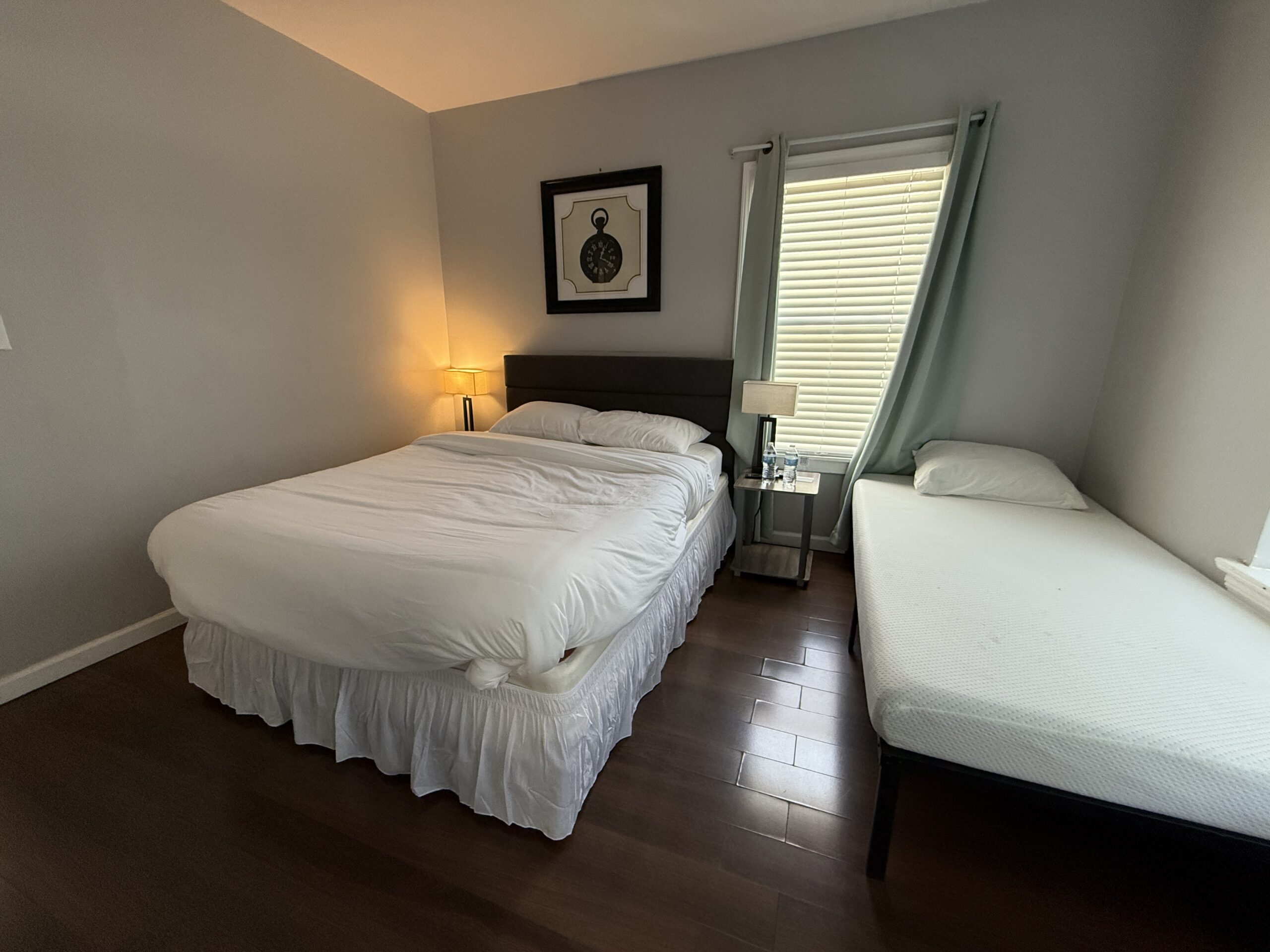
Why a DJ from Vermilion Validates the Studio Haus Model
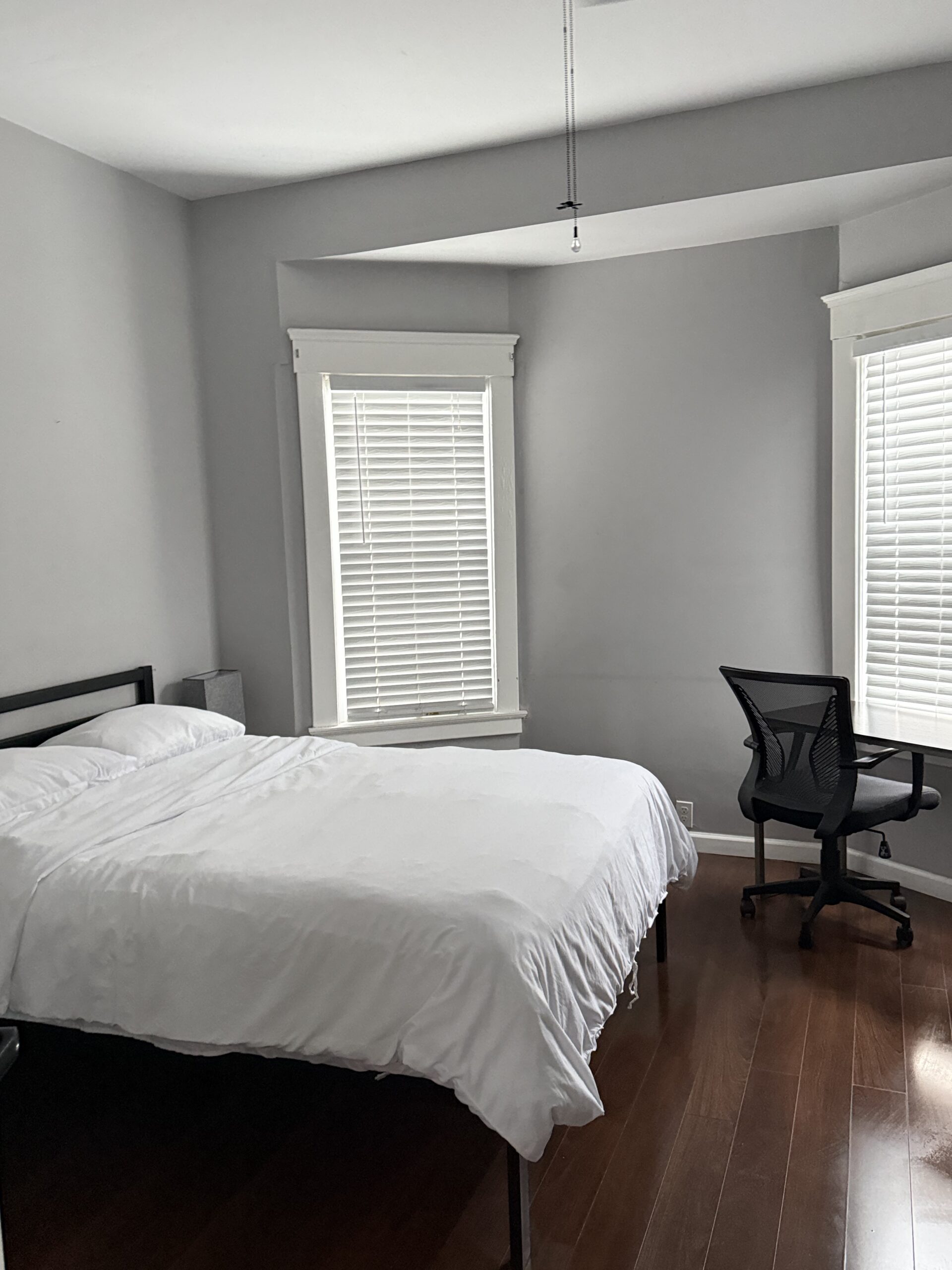
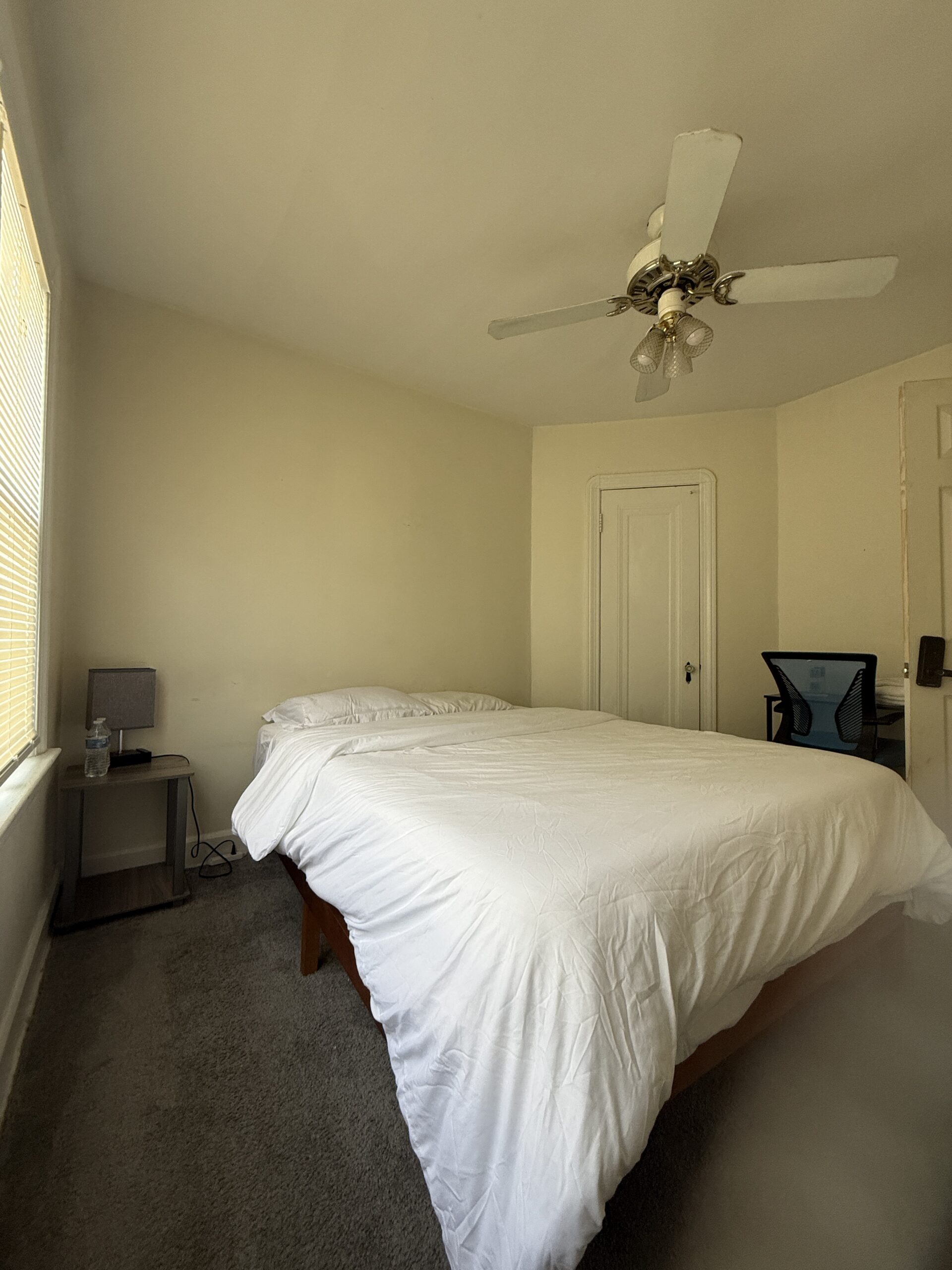
Yesterday, in the dining room and kitchen area of our Edgewater XIV property in Cleveland, I had one of those conversations that no spreadsheet can manufacture — but every spreadsheet eventually confirms.
Carlos is a repeat guest. He speaks multiple languages. He works three nights a week as a DJ at a downtown Cleveland casino. He lives in Vermilion, Ohio. He drives in, stays strategically, works his shifts, and returns home to raise his child in a quieter town.
He doesn’t stay with us because of emotion.
He stays because the numbers make sense.
Close enough to downtown to work.
Priced correctly for recurring stays.
Comfortable enough to feel consistent.
He understands the model.
That conversation reaffirmed something critical about Studio Haus.
The Pattern Behind the Person
Carlos is not an anomaly. He is represents an underrepresented category.
He represents a growing segment of professionals who:
- Do not need to live full-time in a large metropolis
- Commute into major cities for concentrated work blocks
- Prioritize cost efficiency without sacrificing comfort
- Value predictability and operational clarity
In Cleveland, that looks like someone living in Vermilion and working downtown three nights per week.
In São Paulo, it may look different in geography — perhaps arriving by bus, metro, or regional transfer — but the psychology is the same.
Strategic proximity.
Controlled cost.
Reliable execution.
This aligns directly with our corporate housing positioning, where we emphasize affordability, flexibility, and predictable pricing .
The individual guest and the enterprise client are simply two lenses of the same structural demand.
Micro-Units, Macro-Shift
This week, I watched a video discussing the conversion of large commercial buildings in cities like Chicago and New York into micro-units. The criticism was uniformity — identical boxes, maximum density, minimal personality.
But the underlying data is undeniable.
Cities are increasing single-occupant housing inventory because the demand exists.
Our pricing strategy already reflects tiered occupancy designed for individual professionals — standard rooms, suites, and scalable packages .
The difference?
Studio Haus does not erase architectural character.
We adapt it.
We utilize existing metropolitan structures — intelligently.
We increase sleeping inventory — strategically.
We preserve identity — intentionally.
This is not about compressing space.
It is about optimizing underutilized space.
What We’re Actually Selling
People who often say: “You rent rooms,” they miss the point.
What we sell is:
- Market-backed positioning
- Operational repeatability
- Strategic pricing discipline
- Demand validation through trend analysis
The corporate housing campaign framework makes this clear: identify industries, decision-makers, and demand clusters, then align inventory and messaging accordingly .
Carlos validated that model at the micro level.
Construction managers validate it at scale.
Travel nurses validate it on contract cycles.
Consultants validate it by project duration.
The verticals change.
The structure does not.
There is a cool example of this in action from the owner of Casa Paradiso in Guaruja, Sao Paulo. where the owner of the pousada, leverages all OTAs plus his own internal micro sales team to target corporate clients, who during times of baixa temporada, book the entirety of his Pousada.
From Cleveland to São Paulo
The Studio Haus concept is not geography-bound.
It is density-aware.
It is commuter-aware.
It is cost-conscious.
It is stakeholder-aware
Whether someone drives from Vermilion or takes regional transit into São Paulo, the logic remains:
- Live where it makes sense.
- Work where opportunity exists.
- Stay where execution is seamless.
That is the product.
The Layered Build
We are close.
Close to having a team aligned on this reasoning.
Close to articulating the narrative consistently.
Close to scaling with clarity instead of noise.
Studio Haus is not a hospitality experiment.
It is a consulting-driven housing model grounded in observable behavioral trends, structured pricing, and operational discipline.
Carlos did not intend to validate the thesis.
But he did.
And that is how real models are confirmed — not in theory, but in conversation.